
How to Standardize People Practices Across Business Units
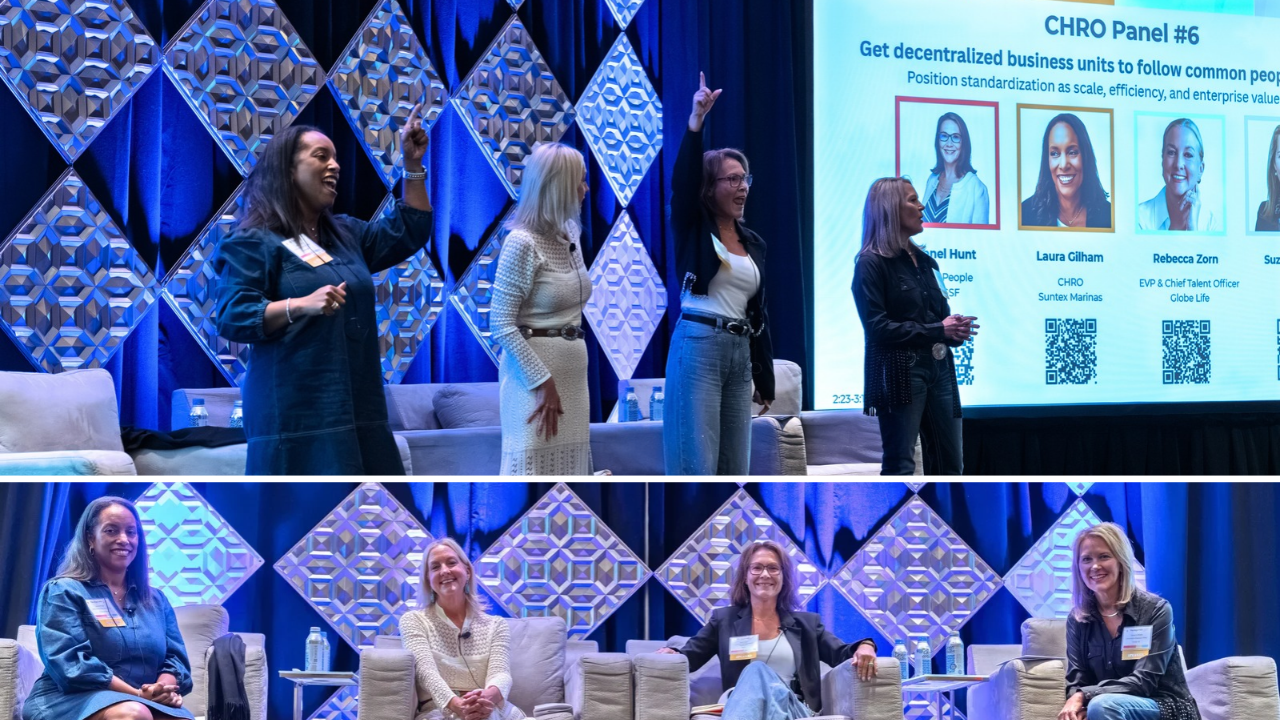
She had done this a hundred times. She knew the research, the mechanics, and exactly how to roll it out without hurting anybody's operation.
So she walked into the leadership meeting and started talking about PSL. Here's how we're going to do PSL. Here are the banks.
People started looking around the table at each other.
She kept going, because she was the expert in the room.
Eventually somebody got brave enough to ask: "Are we talking about pumpkin spice latte?"
That was the sixth and final panel at our 11th annual Big CHRO Event on September 11 in the Dallas, TX area. The panel was called "Get decentralized business units to follow common people practices," and it closed the day, which was fitting, because it was the hour about the thing every other panel had circled. How do you get people who don't report to you to do what the business needs?
Names, companies, industries, and job titles are left out below. These leaders were specific on stage because the room was safe.
What p...
How CHROs Turn Around a Struggling Business
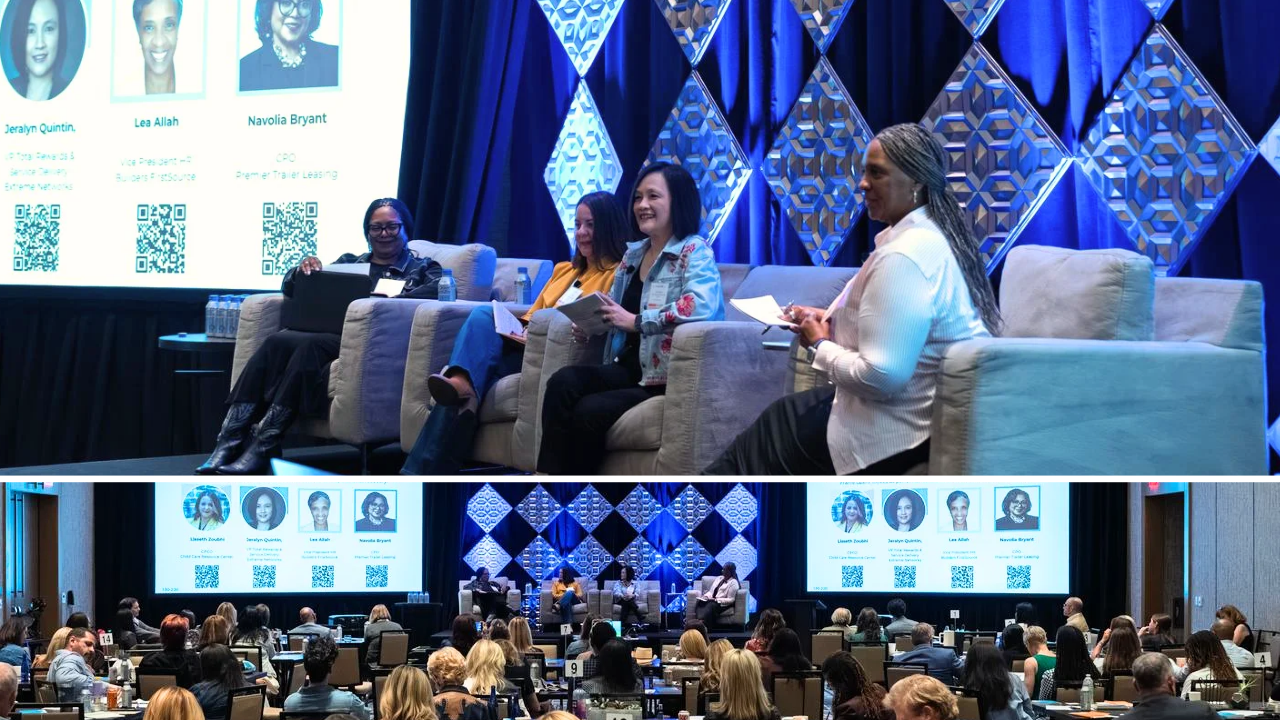
"Has anyone ever kept a leader in a critical role for too long?"
She waited, then asked again. Don't leave me hanging.
Hands went up all over the room.
That was the fifth panel at our 11th annual Big CHRO Event on September 11 in the Dallas, TX area. The panel was called "Turn around a struggling business or function through talent changes," and the panelist asking that question had thirty-plus years in HR and opened by listing the mistakes she had made rather than the wins she had collected.
Names, companies, industries, and job titles are left out below. These leaders were specific on stage because the room was safe.
How do you tell whether a struggling business has a talent problem or a process problem?
Ask one question before you do anything else: if we changed the person leading this operation, would the outcome change? If the answer is no, you have a process, capacity, or market problem, and moving people will not fix it.
Our moderator framed the whole hour around this. We...
How CHROs Take a Business Problem to the CEO
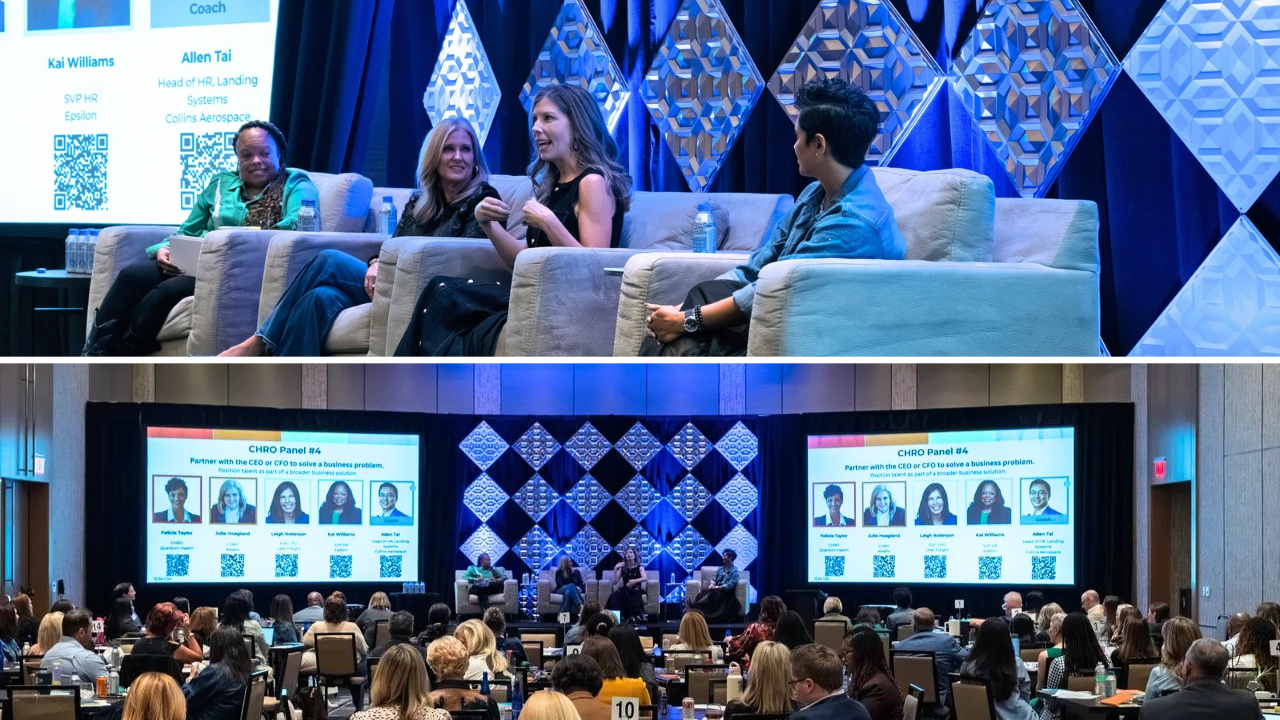
She was the only one from her team in the room.
The agenda was running early, the executives were ready, and the person who was supposed to lead the pitch hadn't arrived. So they turned to her and said go ahead.
She got through it. Then the CEO looked at her and asked whether she was proposing something that wasn't a requirement, only a recommendation, that would add millions in cost, with no way to self-fund it.
Crickets.
That story came out of the fourth panel at our 11th annual Big CHRO Event on September 11 in the Dallas, TX area. The panel was called "Partner with the CEO or CFO to solve a business problem," and it was the hour where everybody admitted what they got wrong before anyone said what they got right.
Names, companies, industries, and job titles are left out below. These leaders were specific on stage because the room was safe.
What do CEOs and CFOs actually want when HR brings them a proposal?
They want the business case, and they want to know it's been stress te...
How CHROs Connect Culture Work to Business Results
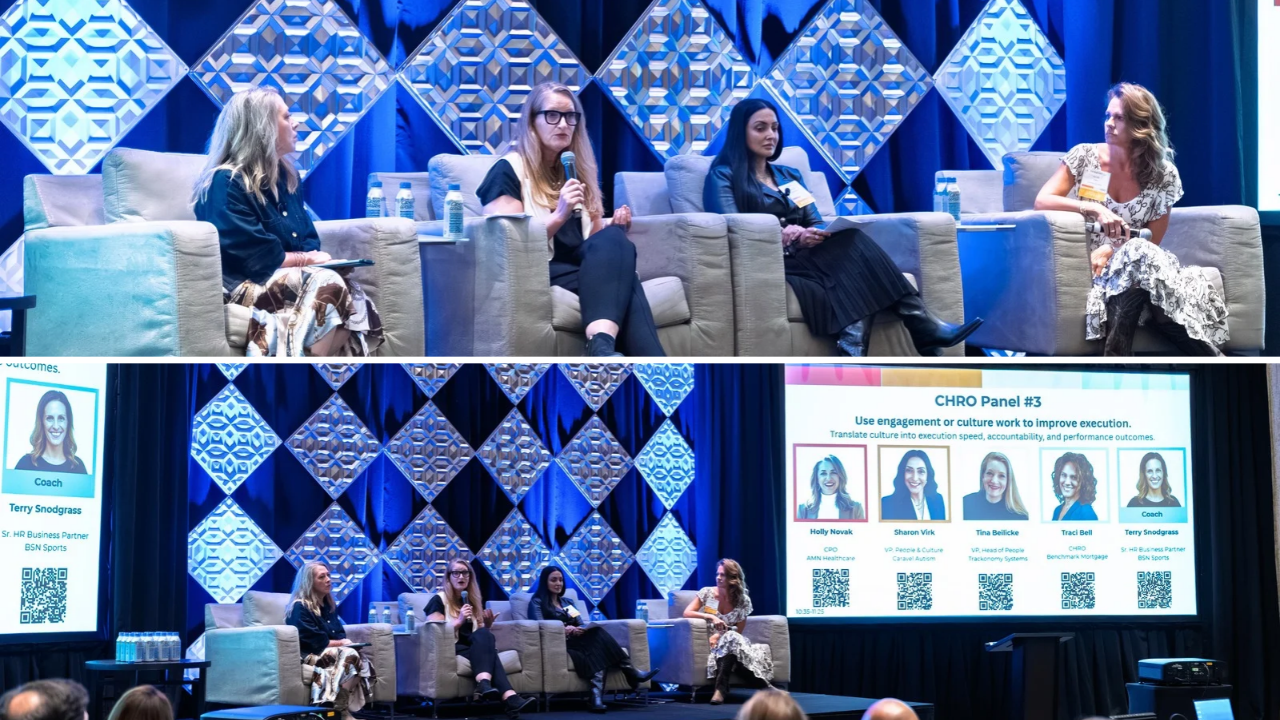
One mistake cost a company 40% of its margin.
It wasn't a technical failure. It was a manager who wouldn't say out loud that he was out of his depth, at a company whose stated values were communication and accountability.
He wasn't a bad employee. He was one of the most valuable people they had, and that was the whole problem.
That story opened the third panel at our 11th annual Big CHRO Event on September 11 in the Dallas, TX area. The panel was called "Use engagement or culture work to improve execution," and it was the hour where culture stopped being a soft topic.
Names, companies, industries, and job titles are left out below. These leaders were specific on stage because the room was safe.
Does culture actually drive business results, or is it a soft metric?
It's a business driver, and the reason it doesn't get treated like one is that most of us measure what HR does instead of what culture enables.
That's how one panelist put it, and she's been on a long personal mission t...
Succession Planning: How to Give Your CEO Real Options
Pick one critical role in your organization. If that person left tomorrow, do you have a ready now option, a ready soon option, or nothing at all?
Now the harder question. Do you actually believe your own answer?
At one company, the answer looked excellent on paper. They'd picked the successor for a critical senior role a decade before the seat opened. Years of assessment, board engaged the whole way, ten years of investment behind one person. The handoff was smooth and everyone called it a win.
Three other leaders ended up quietly carrying that part of the business for six years.
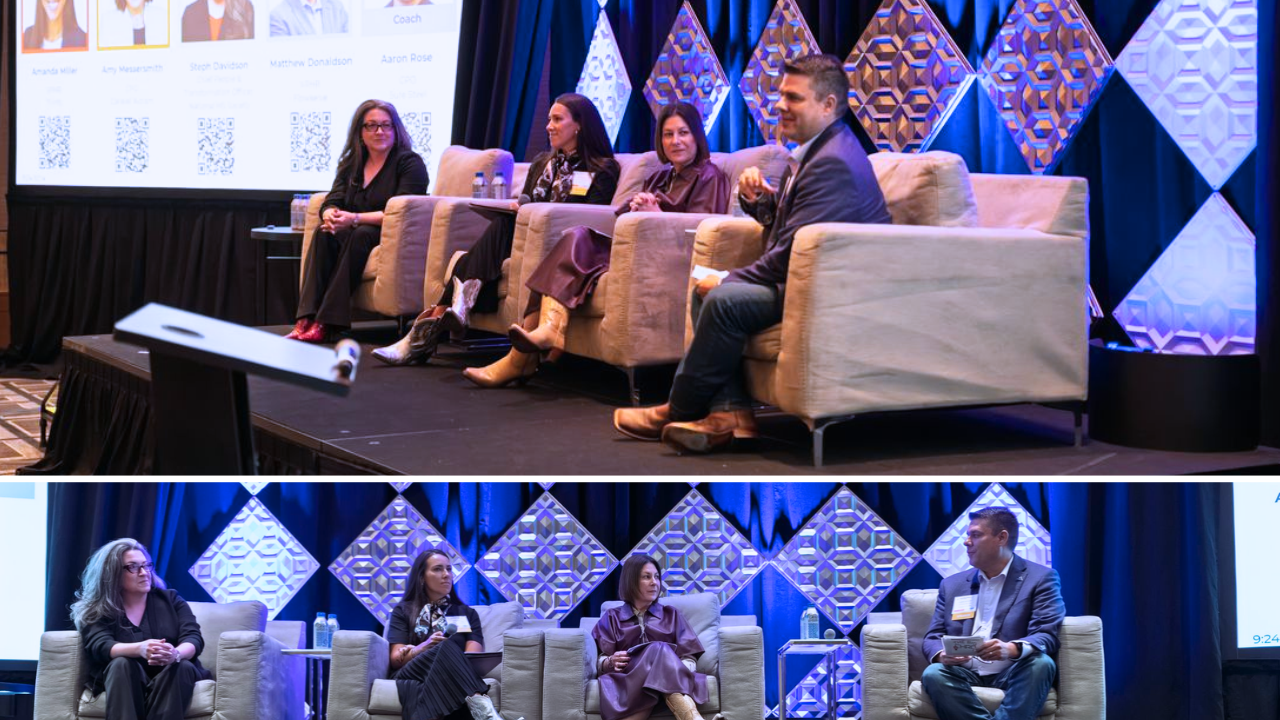
That story came out of the second panel at our 11th annual Big CHRO Event on September 11 in the Dallas, TX area. The panel was called "Build a real leadership bench so the CEO has options," and our moderator framed the whole hour in one sentence:
"Our goal is simple. How do we give our CEO and senior leaders credible board options?"
Options. Not a plan. Not a grid. Options.
Names, companies, industrie...
How CHROs Build a Business Case the CEO Will Fund
You've probably sat through it. The same line item in the finance report, every month. Everyone in the room treats it as a fact of life. That's just the way it is.
At one company, that line item said they were collecting less than a quarter of what patients owed at the front desk. One CHRO asked why it was that way, and the answer turned out to be worth eight figures a year.
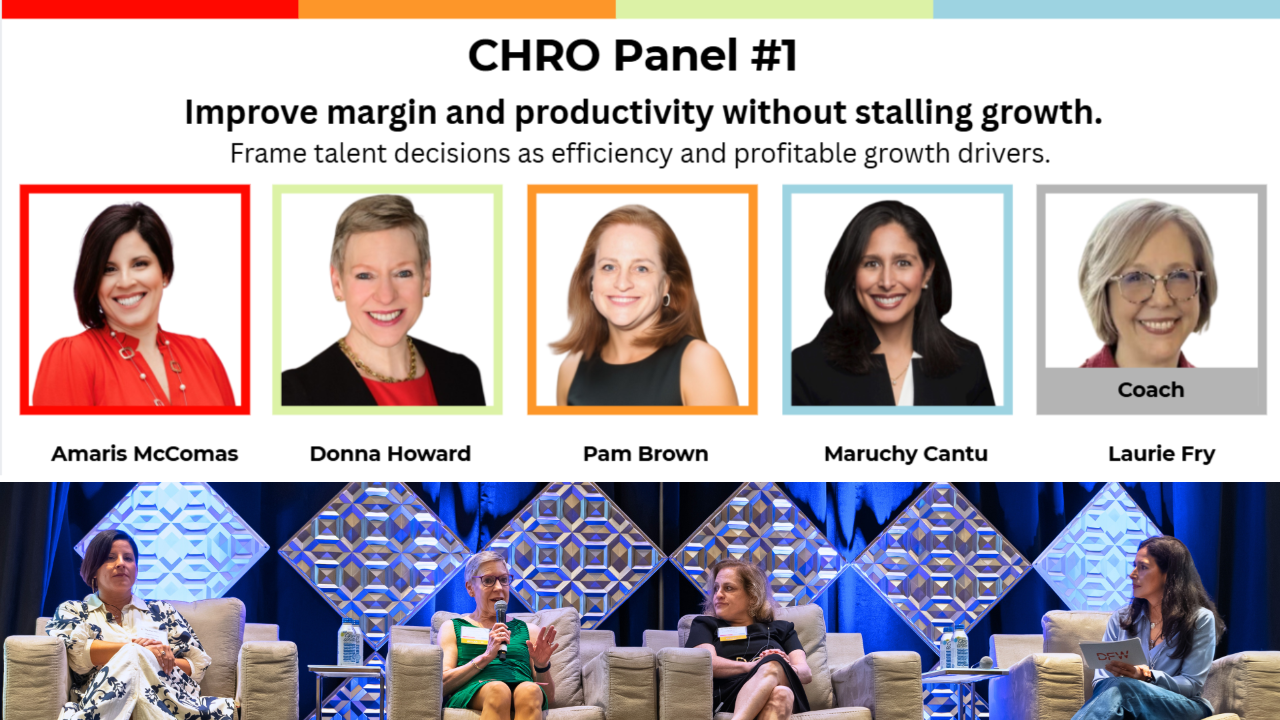
That story came out of the first panel at our 11th annual Big CHRO Event on September 11 in the Dallas, TX area. The panel was called "Improve margin and productivity without stalling growth." Three senior people leaders, three completely different businesses, and one line that tied it together:
"We're business people first. We just happen to specialize in people."
Names, companies, and identifying details are left out below, and dollar figures are written as $XX.XX million. These leaders were honest on stage because the room was safe. The lessons travel fine without the specifics.
How does a CHRO build a busi...
What CHROs Are Really Talking About Now
I walked out of our Big CHRO 2026 DFW event with one very clear thought:
The CHRO role isn't getting easier.
But it is getting clearer.
Not softer.
Not more theoretical.
Not more "people program" focused.
Clearer.
The strongest conversations in the room weren't about HR for the sake of HR.
They were about margin.
Productivity.
Succession risk.
Trust.
Turnaround work.
AI adoption.
Talent density.
Business continuity.
Customer impact.
Execution.
And what stood out to me wasn't just the topics.
It was the honesty.
These weren't polished success stories where everything worked perfectly from day one.
These were real stories.
The kind where assumptions were wrong.
The kind where the business case had to get sharper.
The kind where a "great" employee was quietly creating drag.
The kind where the succession plan looked good on paper, but the readiness wasn't real.
The kind where culture showed up directly in margin, retention, customer experience, and speed of execution.
That's the part I don't want any of ...
Miss the Big CHRO Event? Get the Free Panel Recordings
I've been listening in on rehearsals for several of the CHRO panels happening this Friday at the Big CHRO event in The Dallas TX area.
And there are so many great stories coming out of these conversations.
✨ Some will inspire you.
🔄 Some will help you position something that has been on your mind in a different way.
📖 And some will give you stories, examples, and language you can bring back to your own organization.
🎥 If you’re a CHRO or Head of HR at a company with 500+ employees and can’t join us this Friday, we’re making the panel recordings available to you for free.
🔗Take a moment to drop your information into the form, and we'll notify you when they're available.
↳ After you watch the panels - whether on your own or as a lunch and learn with your team - drop me and the speakers a note.
↳ We'd love to hear what stood out to you, what it made you rethink, and what you changed as a result.
↳ And for those joining us live this Friday, no need to fill out the form. ...
What Boards Actually Say About Their People
What Boards Actually Say About Their People
LinkedIn newsletter, drafted 2026-08-30 from the CHRO Partners proxy statement research.
Apple's 2026 proxy statement never names its top HR leader.
Neither does Goldman Sachs. Or American Express. Or Abbott. Or Deere.
We checked. Every page.
The Research
This summer, CHRO Partners ran an original research pass on the 2026 proxy season. We searched every definitive proxy statement filed in the first half of 2022, 2024, and 2026 through SEC EDGAR, then went deep on a 60-company sample across 11 sectors. Every number below traces to a specific filing.
The proxy statement matters because of what it is. It's the one document where a company tells its owners, in writing, what matters and who matters. It's lawyer-reviewed, board-approved, and liability-conscious. Nothing gets into it by accident, and nothing stays in it that the board can't defend.
Here's what's in it. And what isn't.
Boards Learned to Talk About AI. Not About the People I...
CHROs Need Thinking Partners Too
The advice CHROs give every day is often the very advice they need themselves.
They tell business leaders to pause before reacting. They help employees separate the facts from the emotion. They help executives see the pattern, name the real issue, and make the next decision.
And then, when the issue is theirs, they can get just as stuck as everyone else.
I see this all the time.
I am a sounding board for chief HR officers. And in our mastermind, the group becomes a sounding board for each other too.
Why Smart CHROs Still Get Stuck
What is interesting is that the problem is rarely that the CHRO does not know what to do.
Most of the time, they do.
The problem is that when it is your own issue, it is harder to separate the emotion from the thinking. It is harder to hear yourself clearly. It is harder to take the advice you would have given someone else in five minutes.
That is why a thinking partner matters.
Not a coach. Not someone with a perfect framework. A real thinking...
